Regenerative farming is centered around enhancing the quality of soil
by implementing methods such as using cover crops, composting matter and rotating crops regularly.
These practices contribute to strengthening the soil composition enhancing its ability to retain water effectively and promoting a range of living organisms.
Step 2
Reduced or No Tillage
No tillage techniques are beneficial for preserving the composition of
the soil and its organic content which help support its organisms. This also helps prevent erosion
while fostering a more robust ecosystem underground.
Step 3
Diverse Crop Planting
A diverse array of crops, including perennials, cover crops, and
legumes, is essential to restore nutrients in the soil and prevent monoculture-related soil
degradation. Crop diversity also enhances biodiversity and natural pest control.
Step 4
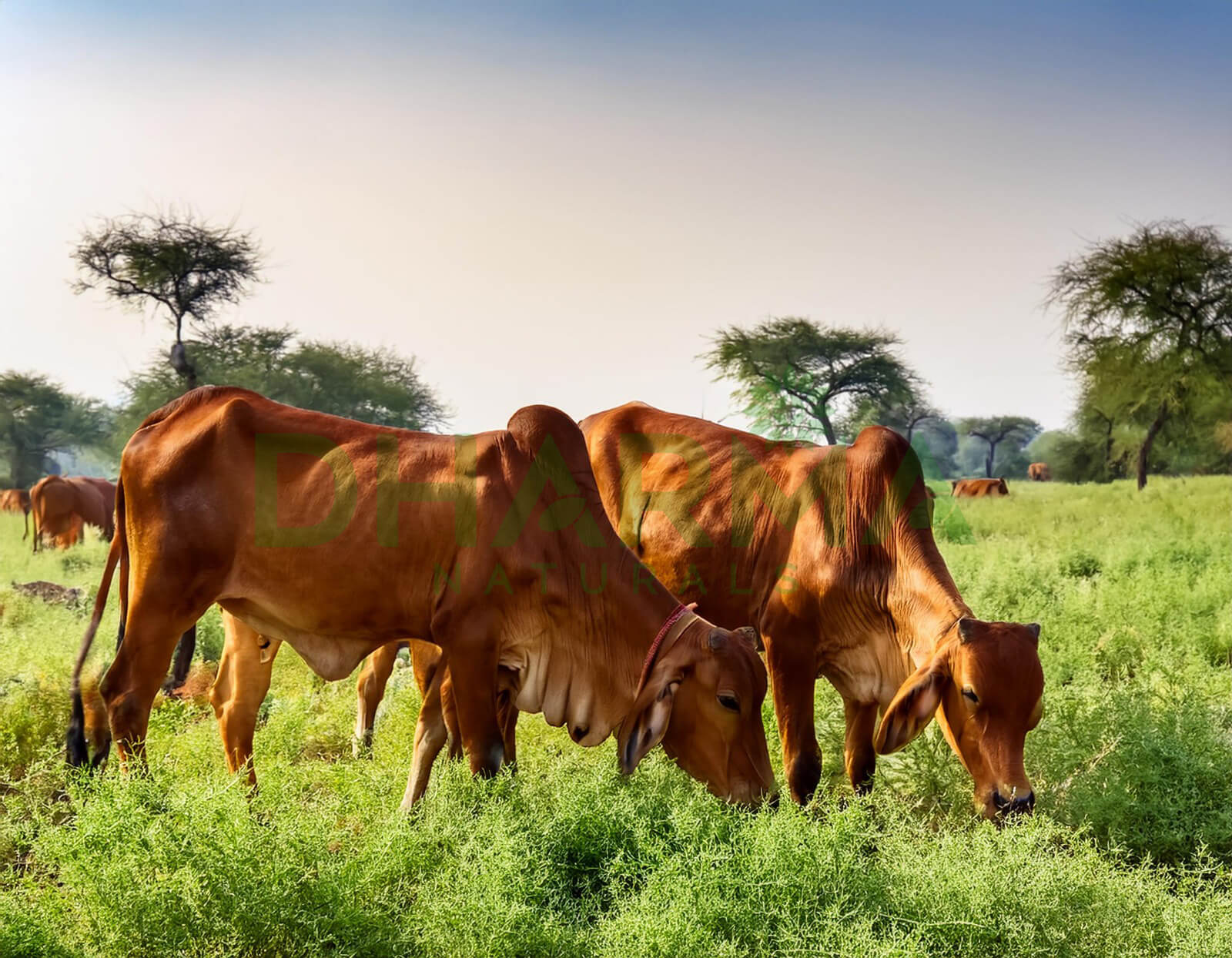
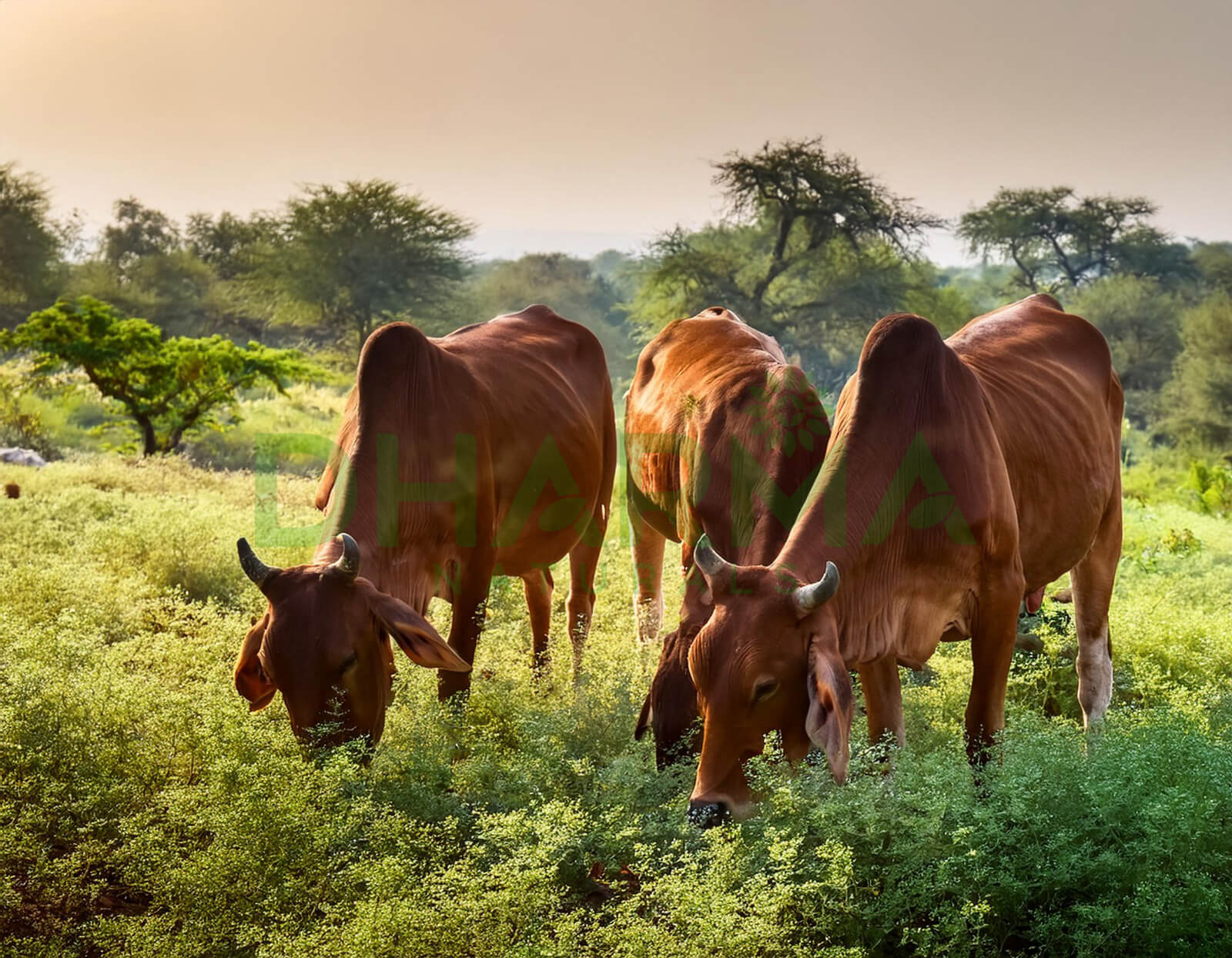
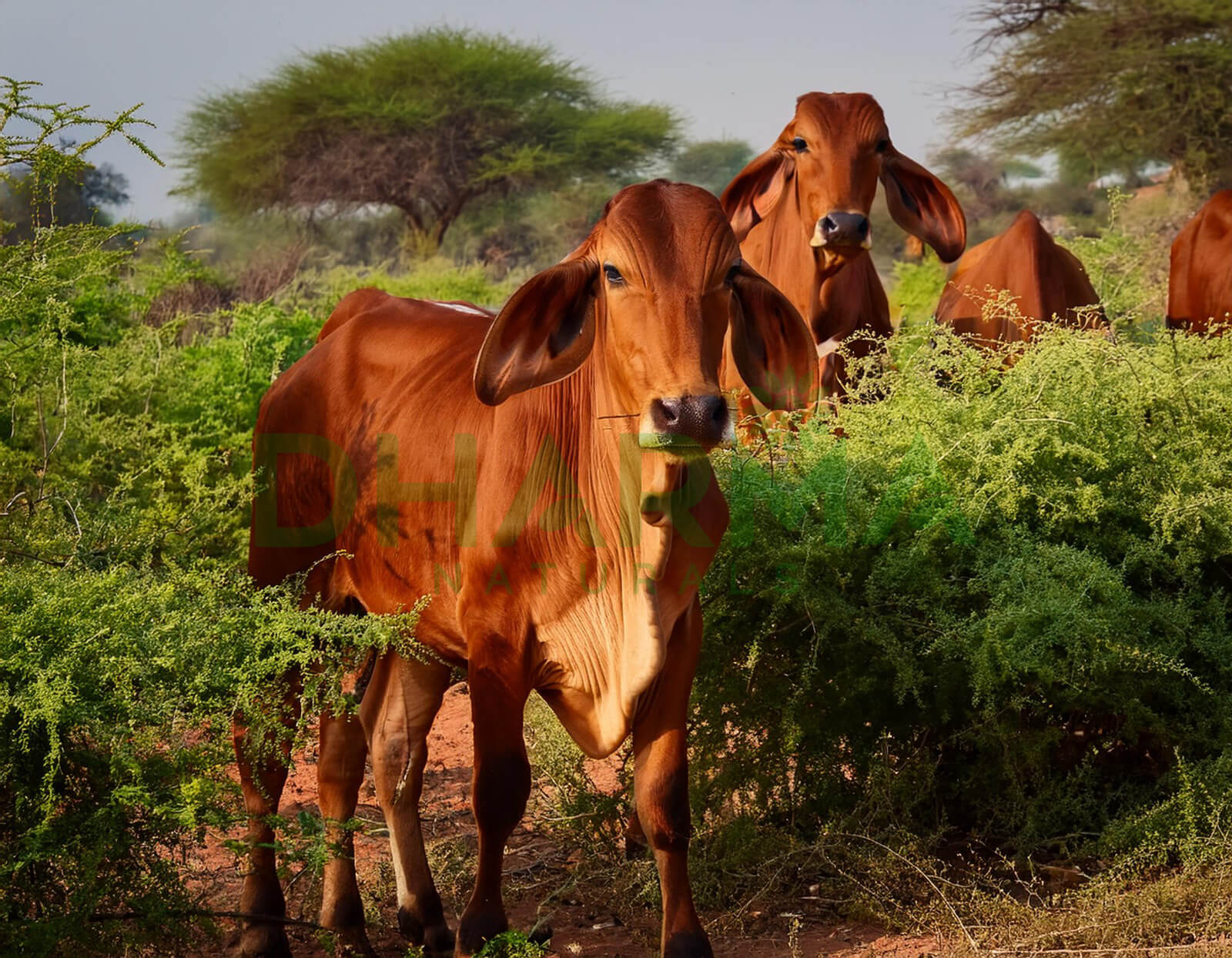
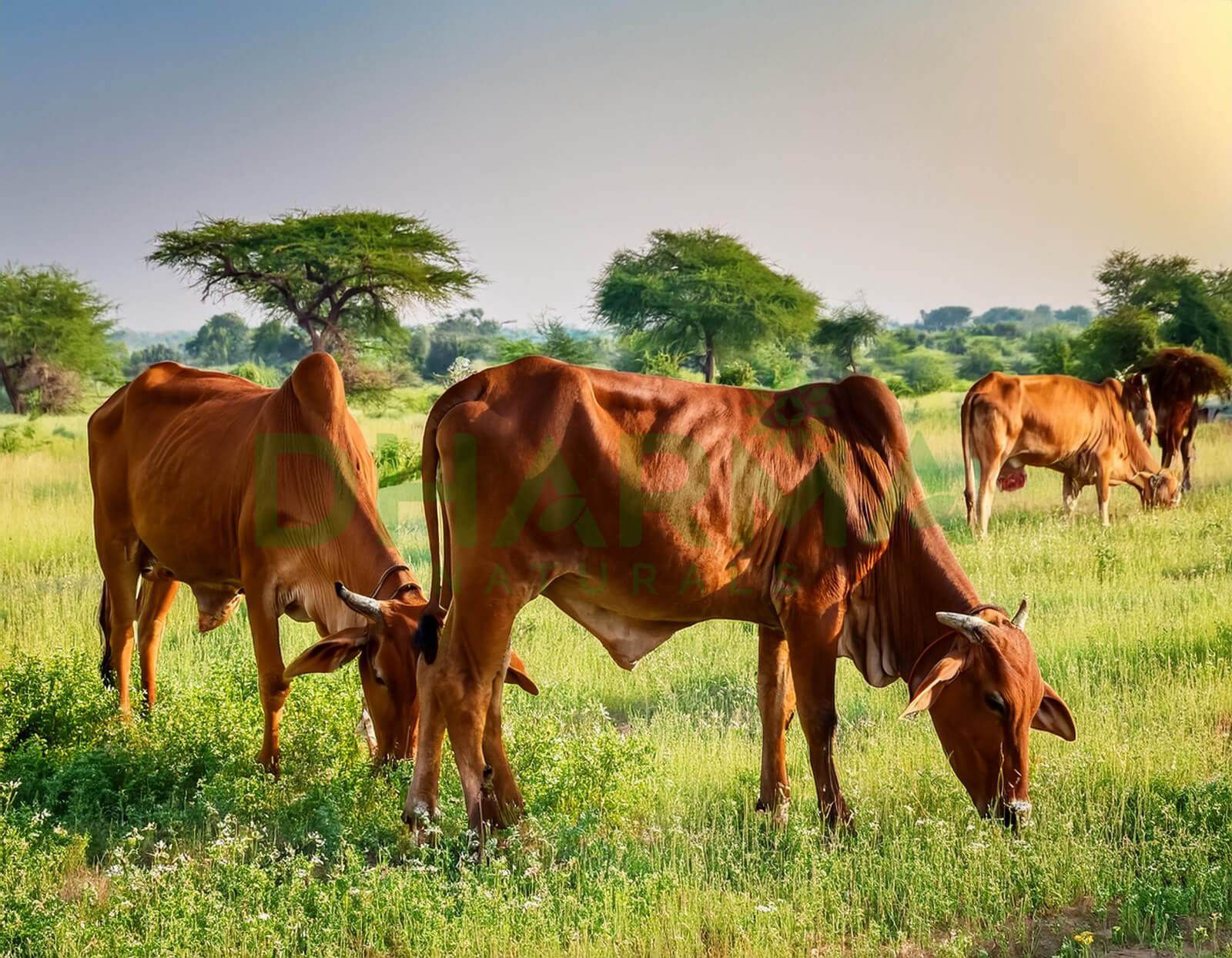
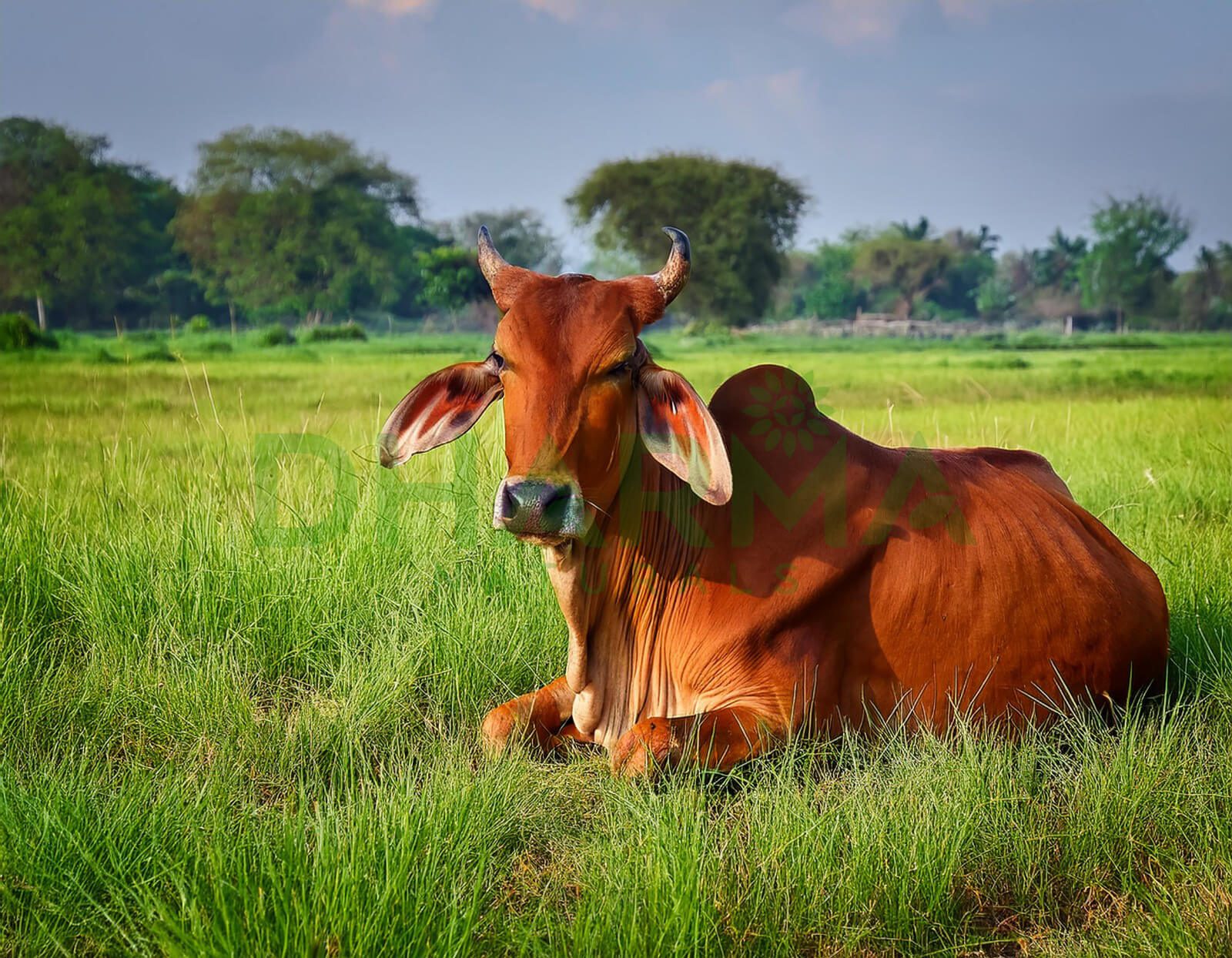
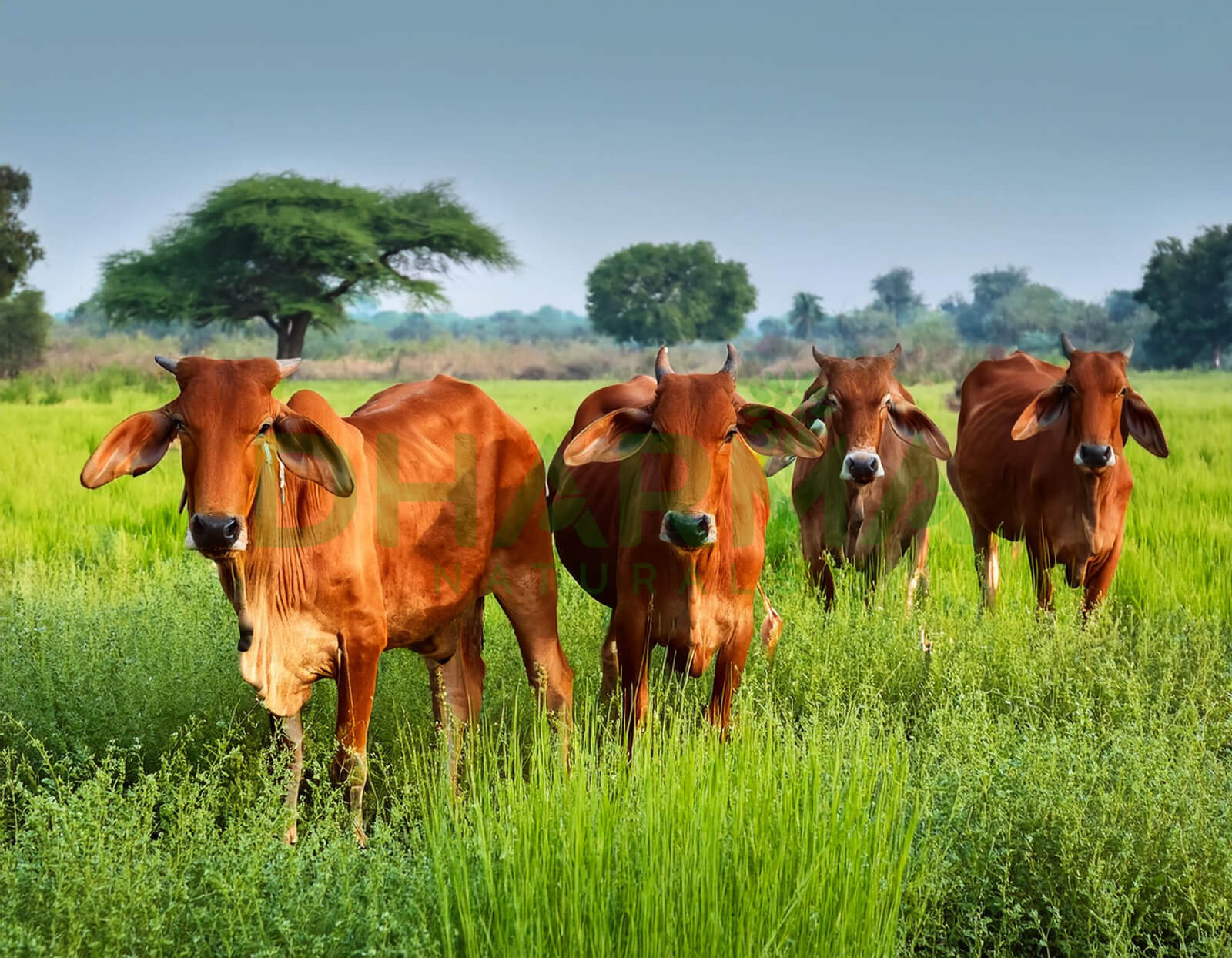
Integration of Livestock
Incorporating livestock into practices by implementing controlled
grazing rotations aids in natural fertilization of the soil and improves soil health while fostering a mutually
beneficial bond between animals and the land to support ecological revitalization.